
Your own experience leads
Later adulthood can include changes in relationships, responsibilities, routines, or a sense of purpose. It can also bring concerns that have been present for a long time. Counseling begins with your experience rather than an assumption about what being older means for your life.
Making Room for Loss and Change
You may want to talk about someone you have lost, a shift in your role within a family, or a decision that affects how you spend your time. The meaning of a change can be different from how others see it. There is room to discuss both practical effects and the feelings that are harder to put into words.
Counselors to Consider
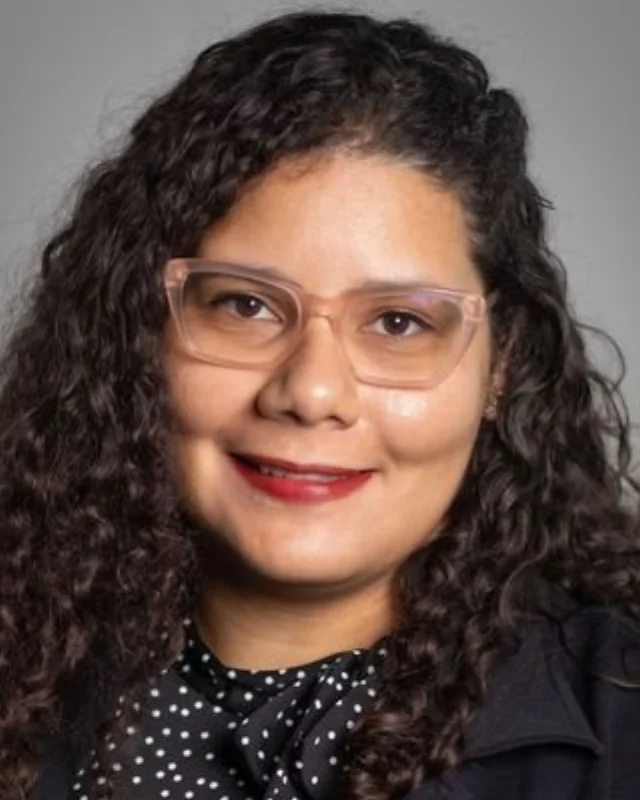
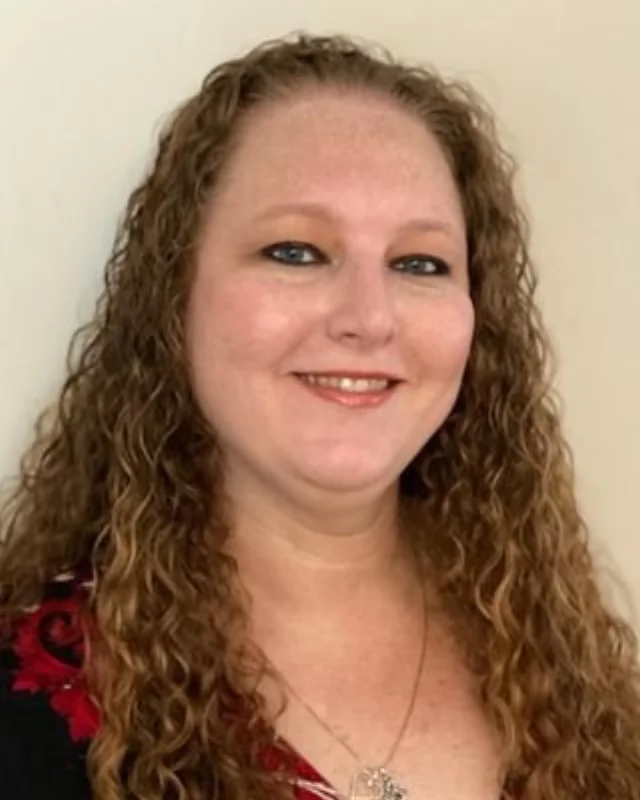
Tracey Nicole Waite, LCSW, includes seniors in her work with anxiety, depression, grief, boundaries, and major transitions. Tiffany Asencio, Registered Mental Health Counselor Intern, works with clients from the teenage years through older adulthood on trauma and grief; her approach incorporates CBT and Christian faith-based principles. Elizabeth Polomsky, LMHC-QS, works across ages with grief, family conflict, and transitions.
Discussing Fit and Format
The office manager can help you consider counselor approach, insurance, and availability. Ask about in-person care or Florida telehealth and any practical arrangements you need. A faith-informed approach is a preference to discuss, not a requirement across the practice.
Counselors to Explore
Read these profiles, then ask the office manager about fit and availability.