
People may arrive with different versions of the concern
One family member may want fewer arguments, another may want more independence, and someone else may want their efforts recognized. Those differences can be part of the work rather than evidence that there is no reason to begin. A shared conversation does not require identical starting points.
Making the Goals Specific
A useful discussion can distinguish what each person wants to change from what they hope someone else will do. It can also make room for disagreement about which concern matters most. The counselor’s role includes understanding the relationship context, rather than automatically treating one person’s account as the complete story.
Relevant Family Approaches
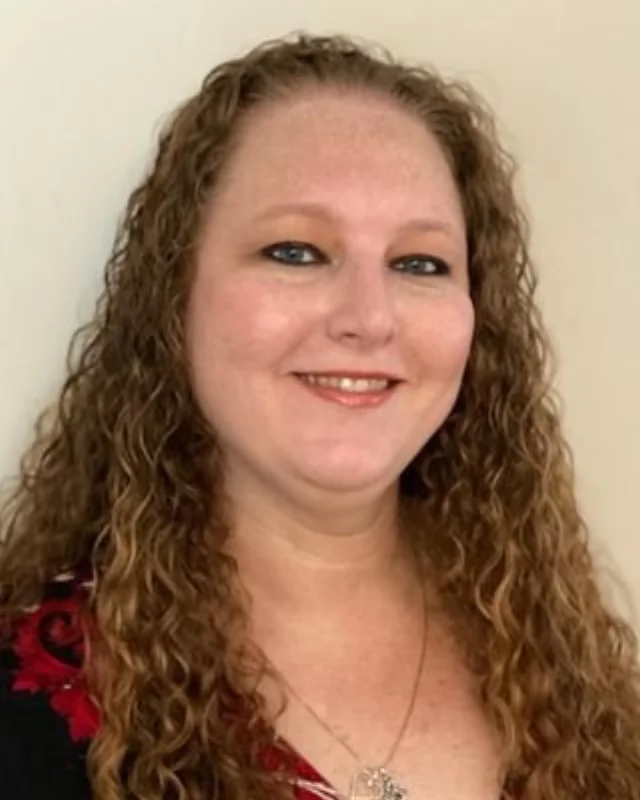
Elizabeth Polomsky, LMHC-QS, works with family conflict and different perspectives. Dana Belekevich, Registered Marriage and Family Therapy Intern, works with families and relationships. Ask the office whether family sessions fit your circumstances and who would participate; individual support may also be a relevant option.
What a First Conversation Involves
Say who is interested in taking part and that you may not all want the same thing from counseling. That is common, and it does not need to be settled before you call. The office manager can talk through whether family sessions with Dana Belekevich, individual counseling with Elizabeth Polomsky, or one followed by the other is the better start. Ask who needs to be present at the first appointment and how the family’s scheduling would work.
Counselors to Explore
Read these profiles, then ask the office manager about fit and availability.