
A change in work can change more than your schedule
Retirement may create welcome freedom while also changing your sense of purpose, connection, or usefulness. Some people miss a role they were ready to leave. Others feel pressure to enjoy a stage that has brought unexpected uncertainty. Counseling offers space to describe your own experience without assuming there is one right way to feel.
Relationships and Expectations
More time at home can change routines with a partner or family. Requests for help may grow, while your own wishes for rest, activity, or independence remain unclear. A conversation about a daily plan may also be a conversation about identity and boundaries. These questions can be explored without deciding that every part of your former role must be replaced.
Relevant Counselor Perspectives
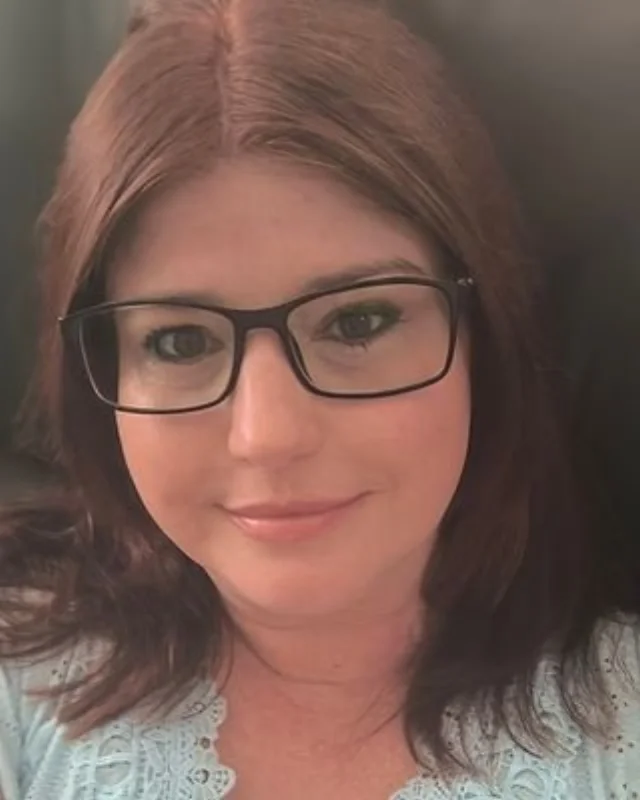
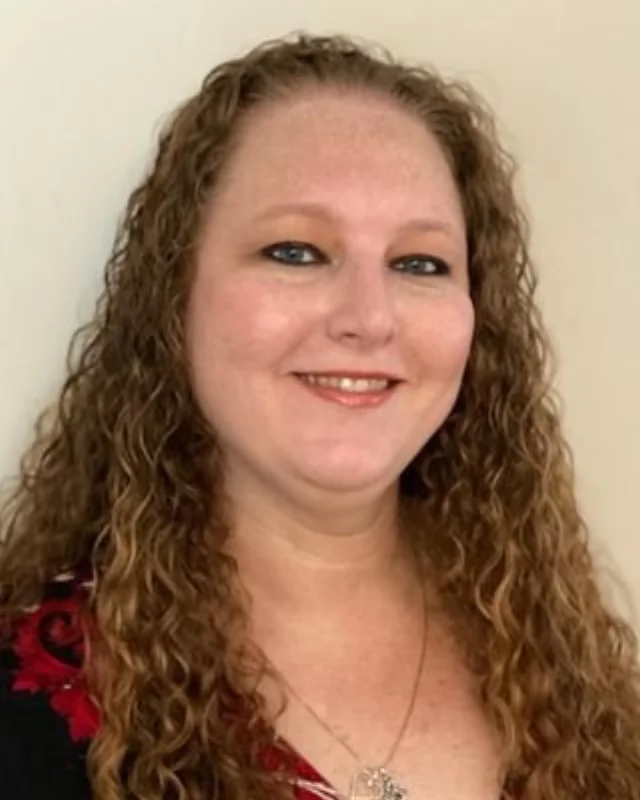
Tracey Nicole Waite, LCSW, works with seniors and includes major transitions, grief, and boundaries in her practice. Elizabeth Polomsky, LMHC-QS, works across ages with transitions and personal goals. Speak with the office about the concern and the counselor fit you are seeking.
What a First Conversation Involves
When you call, mention whether retirement is still ahead or already here, and what feels least settled: the shape of your days, a relationship that is adjusting, or your sense of purpose. From that, the office manager can suggest whether Tracey Nicole Waite, who works with seniors and major transitions, or Elizabeth Polomsky is the better first conversation. If your insurance has changed with retirement, ask about coverage for that counselor before you schedule.
Counselors to Explore
Read these profiles, then ask the office manager about fit and availability.